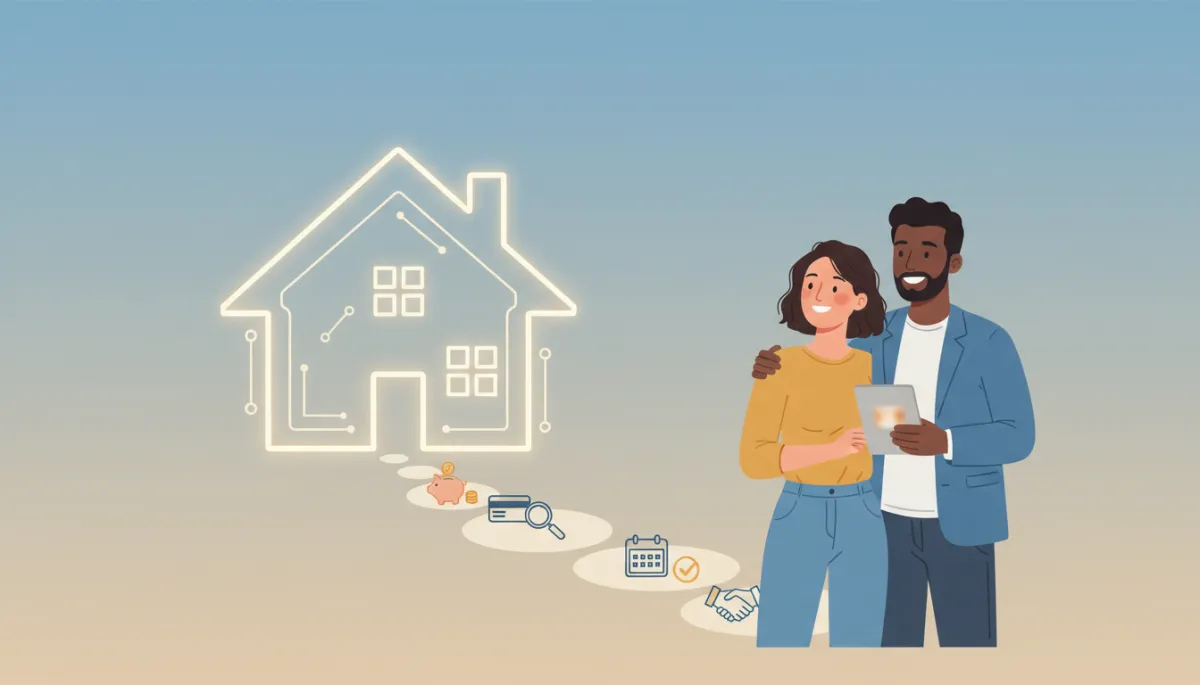
First-Time Homebuyer: Don't Wait Too Long
Homeownership, First-Time Homebuyer, Mortgage Tips
Waiting for the Perfect Time to Buy a Home? You Might Be Waiting Too Long
SEO Title: First-Time Homebuyer: Why Waiting To Buy a Home Can Cost You
Meta Description: Overwhelmed by buying your first home? Learn simple first-time buyer tips, what you really need, and how to start with confidence.
You’ve probably said at least one of these to yourself:
“I’ll buy when rates come down.”
“I need 20% down.”
“Maybe prices will get cheaper.”
“I should probably wait until everything is perfect.”
If that sounds like you, you are exactly the kind of first-time homebuyer I talk to every day. You’re tired of renting, tired of watching your rent climb every year, and tired of feeling like everyone else has figured out how to buy their first home except you. But you’re also scared of making a huge mistake—and that’s completely normal.
Here’s the truth most people never hear: confidence doesn’t come from timing the market perfectly. It comes from having a clear, simple plan that fits your life. Let’s walk through that together.
Why First-Time Buyers Feel So Stuck
When we talk about the home buying process, we usually jump straight to numbers—rates, down payments, closing costs. But underneath all of that are very real emotions: fear, overwhelm, and sometimes a little bit of shame for “not being further along.” If that’s you, take a breath. You’re not behind. You’re just early in the journey of buying your first home.
Fear of making a mistake. Signing a 30-year mortgage can feel like carving your future in stone. No wonder you’re nervous. Nobody wants to feel trapped or regretful.
Rising rents. Every year your rent creeps up, and it feels like you’re running on a treadmill—working hard but not getting closer to owning anything.
Conflicting information online. One blog tells you to wait. Another says buy now. A video says you need no money down. A different one says you need 20%. It’s no wonder you feel stuck.
Believing you need to be “perfect.” Perfect credit, huge savings, no debt, six-figure income—so you tell yourself you’re not “ready” and keep renting.
Underneath all of this is a simple desire: you want stability, a place that’s truly yours, somewhere you can paint the walls any color you want, plant a garden, maybe raise a family, and feel like you’re building something for the future instead of just paying someone else’s mortgage.
The Perfect Market Doesn’t Exist
One of the biggest traps for a first-time homebuyer is waiting for “perfect” market conditions. There will always be scary headlines: rates are up, prices are up, the economy is uncertain. Then, when rates fall, prices often rise. When prices cool, inventory might be tight. Something always feels a little off.
Here’s what I’ve seen over years of helping people buy their first home: the people who win are not the ones who perfectly predict the market. They’re the ones who focus on what they can control—their budget, their time frame, and their long-term goals.
Rates will go up and down. Home values will move over time. But every year you wait, you’re likely paying higher rent and missing out on years of potential equity growth. Waiting for everything to line up perfectly often just delays your chance to start building wealth.

Many first-time buyers discover they were closer to homeownership than they ever imagined.
You Probably Need Less Than You Think
Myth 1: “I need 20% down.”
This is one of the biggest myths in the home buying process. While putting 20% down can help you avoid mortgage insurance, many first-time buyers purchase with far less—sometimes as low as 3% down, and in some cases even 0% down with certain programs. The right amount for you depends on your overall picture, not a one-size-fits-all rule.
Myth 2: “I need perfect credit and a six-figure income.”
Do stronger credit and higher income help? Of course. But many first-time homebuyers qualify with perfectly normal, imperfect situations: some student loans, a car payment, maybe a credit card or two. There are many loan options designed specifically to help people buying their first home, even if their credit isn’t flawless or their income isn’t huge.
Myth 3: “I have to be debt-free first.”
Being completely debt-free is wonderful—but it’s not a requirement to become a first-time homebuyer. Lenders look at how your monthly debts compare to your income, not just whether you have any debt at all. The key is balance and affordability, not perfection.
What First-Time Buyers Should Do Instead
1. Know your numbers
Start simple. Look at your monthly take-home pay and your current rent. Ask yourself, “What payment would feel comfortable and realistic?” That’s the foundation of how to buy your first home in a way that doesn’t keep you up at night.
2. Review your credit
Pull your credit reports and make sure there are no surprises. You don’t need a perfect score to start buying your first home, but knowing where you stand helps us choose the best options and, if needed, map out a quick improvement plan.
3. Create a simple savings plan
When people ask, “How much do I need to buy a house?” the answer is: it depends—but it’s usually less than they think. Together, we can estimate your down payment and closing costs and turn that into a monthly savings target. Even small, consistent amounts add up faster than you expect.
4. Get pre-approved
A pre-approval is like a roadmap for how to buy your first home. It shows you a realistic price range, helps you understand your payment, and makes you a stronger buyer when you’re ready to make an offer. You don’t need to have a specific house picked out to start this step.
5. Talk with a mortgage professional early
You don’t need all the answers before reaching out—that’s my job. Often, one honest conversation turns a big, scary mystery into a clear, doable plan. Think of it as getting a coach for the home buying process, not signing your life away.
Homeownership Is About More Than Money
Yes, buying your first home is a financial decision—but it’s also a deeply personal one. It’s about stability, pride of ownership, and knowing you can make a place truly yours. It’s about having a space to host friends, raise kids (if you choose), or simply create memories that belong to you.
I recently worked with a couple who were convinced they were “years away.” They were renting a small apartment, frustrated with rising rent, and sure they didn’t make enough to qualify. We walked through their numbers, pulled their credit, and talked about their goals. Within a few weeks, they were pre-approved. Within a few months, they were holding the keys to a modest, cozy home they absolutely loved.
Their situation wasn’t perfect. They still had student loans and a car payment. But they had a plan—and that made all the difference.
FAQs for First-Time Homebuyers
How much money do I need to buy my first home?
It varies, but many first-time homebuyers are surprised by how accessible it is. You may be able to buy with as little as 3% down, plus closing costs. There are also assistance programs that can help with part of those costs. The best way to get a real answer for your situation is to look at your numbers together and build a personalized estimate.
Do I really need 20% down?
No. Twenty percent is not a requirement for buying your first home. It can be helpful, but many first-time buyer tips focus on smart, lower-down options that still keep your payment affordable. The “right” down payment is the one that balances your savings, comfort level, and long-term plans.
What credit score do I need to buy a house?
Different programs have different guidelines, but you don’t need a perfect score. Even if your credit isn’t where you want it to be today, we can often create a short-term plan to improve it and get you closer to buying your first home sooner than you think.
Should I wait for rates to come down before buying?
It depends on your situation, but remember: you can’t control rates, only your plan. If the payment works for your budget today and the home fits your long-term goals, it can still be a smart move. If rates drop later, you may have the option to refinance. In the meantime, you’re building equity instead of just paying rent.
You Don’t Need Perfect—You Need a Plan
You don’t need perfect timing. You don’t need perfect finances. You don’t need all the answers. As a first-time homebuyer, you simply need a clear, honest plan and someone in your corner who will walk you through each step of the home buying process.
Thinking about buying your first home but not sure where to begin?
Let’s have a conversation.
Book a free discovery call today and let’s talk about your goals, your questions, and your options. Whether you’re ready now or six months from now, we’ll create a game plan that gives you confidence and clarity.
No pressure. No obligation. Just answers—and a path toward a home you can finally call your own.


